
RING SIZE GUIDE
I KNOW THE FINGER SIZE
If this is the case then please select the correct size from the drop down on the ordering page. The size options are from the ‘British’ system – if you are using another system then please consult the table below to determine the size to select. We may have to charge for resizing a ring. Please contact us if you need some assistance.
I DON’T KNOW THE FINGER SIZE
If this is the case, then please select any option from the finger size drop down but add a message to the order or contact us after and state that you need to discuss the finger size. Once your order has been confirmed we will contact you about how we can ascertain the correct size. This can be done in a number of ways including sending samples and we will be happy to help you with this.
RING SIZE CONVERSION TABLE
| Diameter (inside mm) | Circumference (inside mm) | UK, Ireland, Australia | US & Canada | Japan | Swiss |
|---|---|---|---|---|---|
| 14.1 | 44.2 | F | 3 | 4 | 4.00 |
| 14.3 | 44.8 | F 1/2 | 3 1/4 | 5 | 5.25 |
| 14.5 | 45.5 | G | 3 1/2 | ||
| 14.7 | 46.1 | G 1/2 | 3 3/4 | 6 | 6.50 |
| 14.9 | 46.7 | H | 4 | 7 | |
| 15.1 | 47.4 | H 1/2 | 4 1/4 | 7.75 | |
| 15.3 | 48.0 | I | 4 1/2 | 8 | |
| 15.5 | 48.7 | J | 4 3/4 | 9.00 | |
| 15.7 | 49.3 | J 1/2 | 5 | 9 | |
| 15.9 | 49.9 | K | 5 1/4 | 10.00 | |
| 16.1 | 50.6 | K 1/2 | 5 1/2 | 10 | |
| 16.3 | 51.2 | L | 5 3/4 | 11.75 | |
| 16.5 | 51.8 | L 1/2 | 6 | 11 | 12.75 |
| 16.7 | 52.5 | M | 6 1/4 | 12 | |
| 16.9 | 53.1 | M 1/2 | 6 1/2 | 13 | 14.00 |
| 17.1 | 53.8 | M | 6 3/4 | ||
| 17.3 | 54.4 | N 1/2 | 7 | 14 | 15.25 |
| 17.5 | 55.0 | O | 7 1/4 | ||
| 17.7 | 55.7 | O 1/2 | 7 1/2 | 15 | 16.50 |
| 17.9 | 56.3 | P | 7 3/4 | ||
| 18.1 | 56.9 | P 1/2 | 8 | 16 | 17.75 |
| 18.3 | 57.6 | Q | 8 1/4 | ||
| 18.5 | 58.2 | Q 1/2 | 8 1/2 | 17 | |
| 18.7 | 58.9 | R | 8 3/4 | ||
| 18.9 | 59.5 | R 1/2 | 9 | 18 | |
| 19.2 | 60.1 | S | 9 1/4 | ||
| 19.4 | 60.8 | S 1/2 | 9 1/2 | 19 | |
| 19.6 | 61.4 | T | 9 3/4 | 21.5 | |
| 19.8 | 62.1 | T 1/2 | 10 | 20 | |
| 20.0 | 62.7 | U | 10 1/4 | 21 | |
| 20.2 | 63.3 | U 1/2 | 10 1/2 | 22 | 22.75 |
| 20.4 | 64.0 | V | 10 3/4 | ||
| 20.6 | 64.6 | V 1/2 | 11 | 23 | |
| 20.8 | 65.2 | W | 11 1/4 | 24 | |
| 21.0 | 65.9 | W 1/2 | 11 1/2 | 24 | |
| 21.2 | 66.5 | X | 11 3/4 | ||
| 21.4 | 67.2 | X 1/2 | 12 | 25 | 27.50 |
| 21.6 | 67.8 | Y | 12 1/4 | ||
| 21.8 | 68.4 | Z | 12 1/2 | 26 | 28.75 |
| 22.0 | 69.1 | Z 1/2 | 12 3/4 |
International Orders
If you are ordering from outside the UK, international shipping costs will be calculated at checkout based on your location. They are approximately £80 for Europe and £100 for rest of the World.
Your country's customs authority may also apply import duties or taxes upon delivery. These charges are not included in our prices and are the responsibility of the recipient.
If you would like an estimate on potential duties before ordering, please contact us and we will assist.
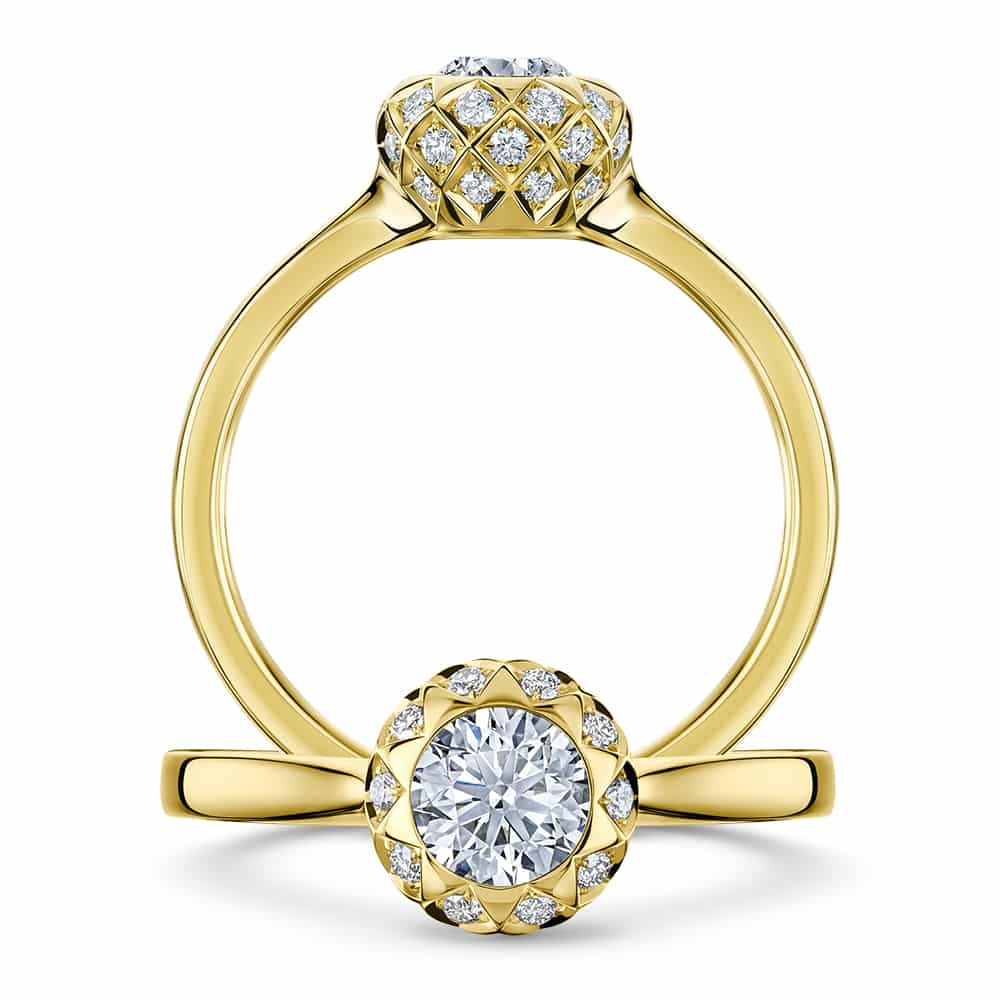
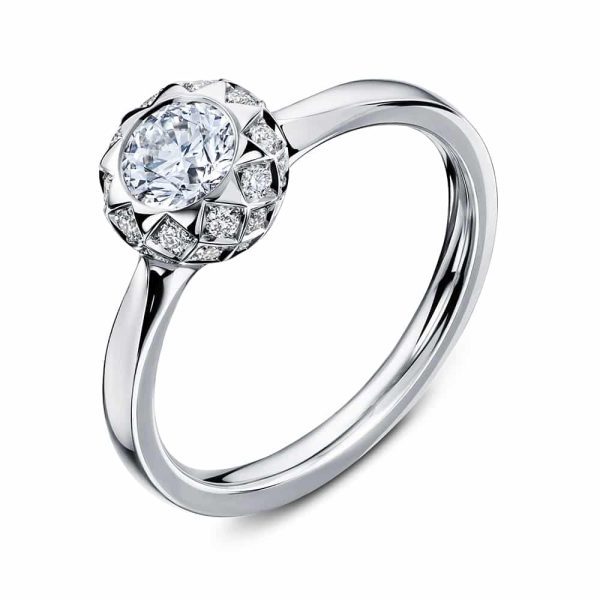
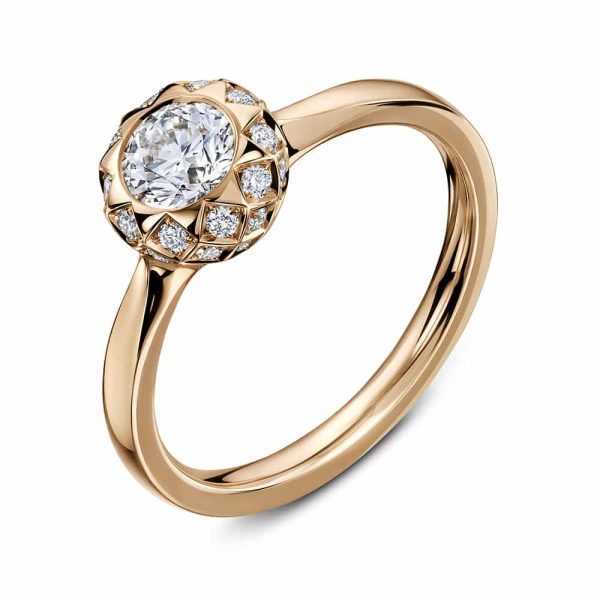
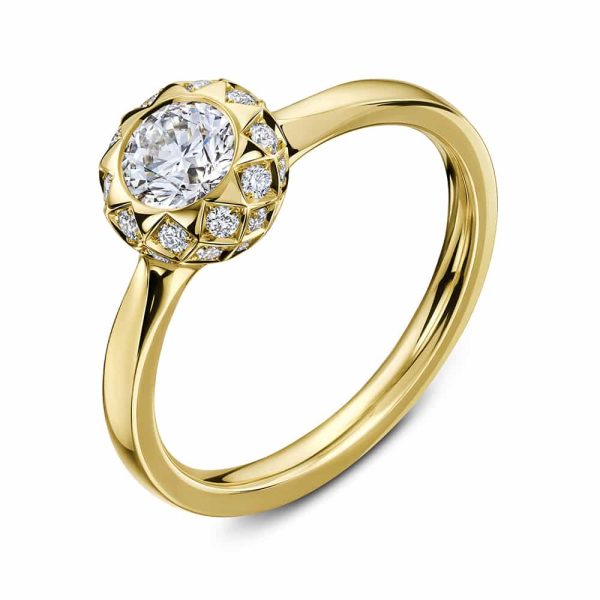
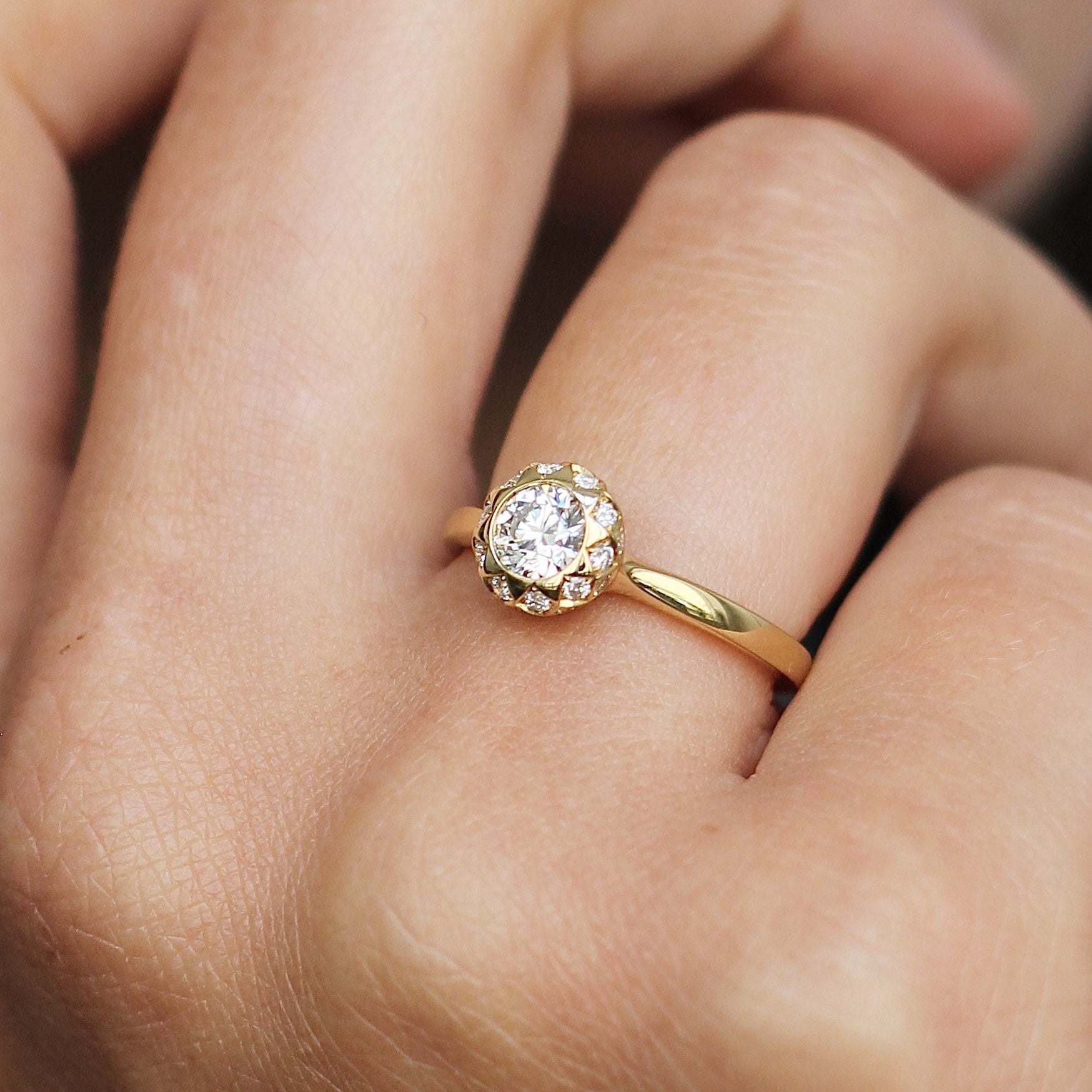
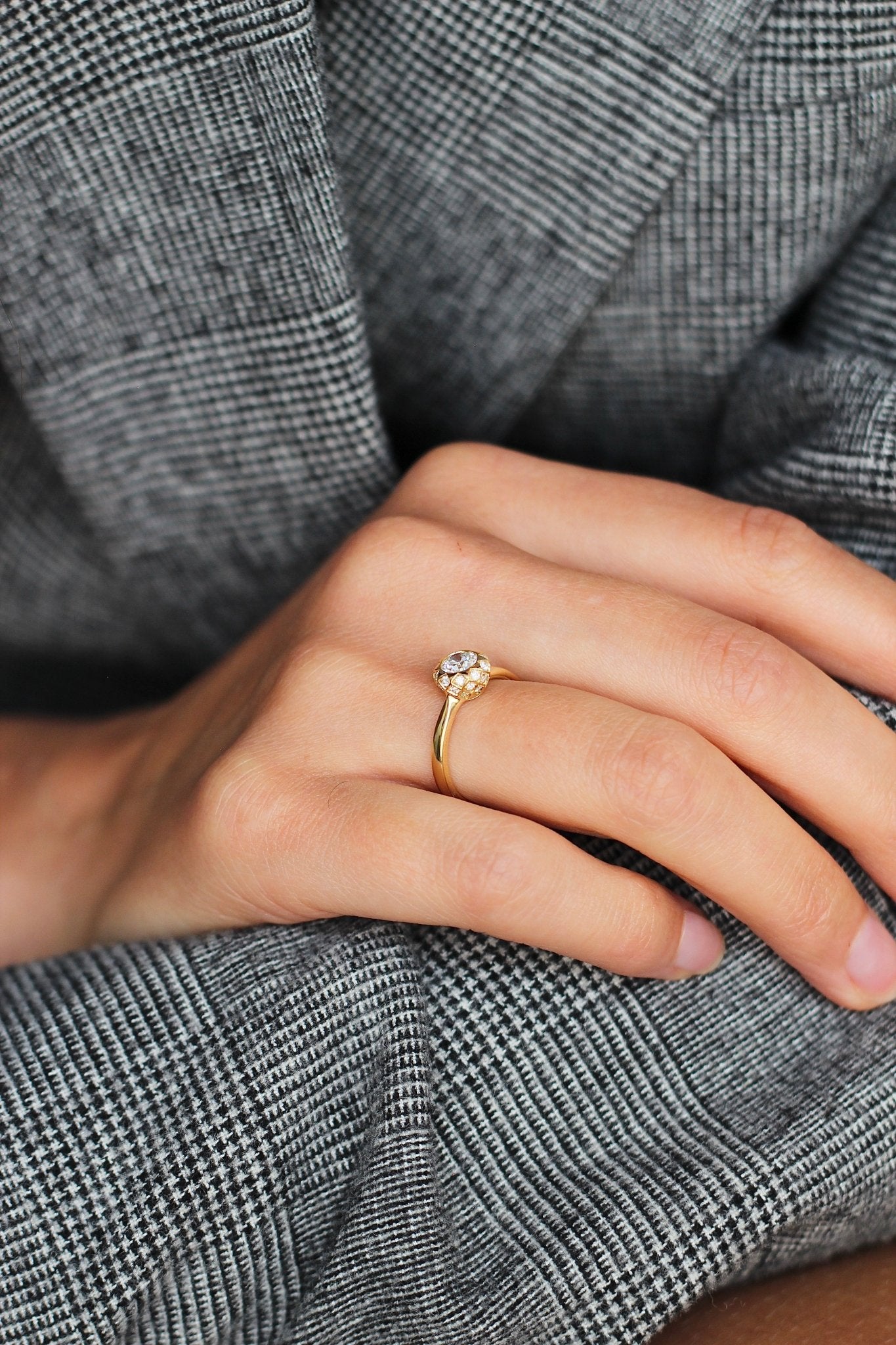
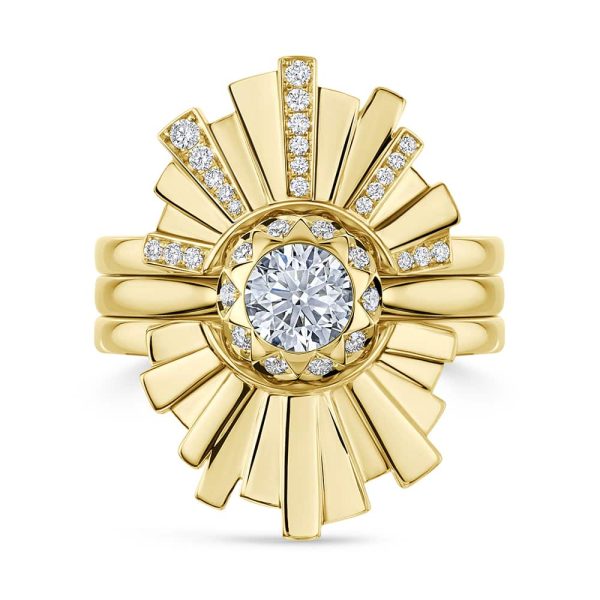
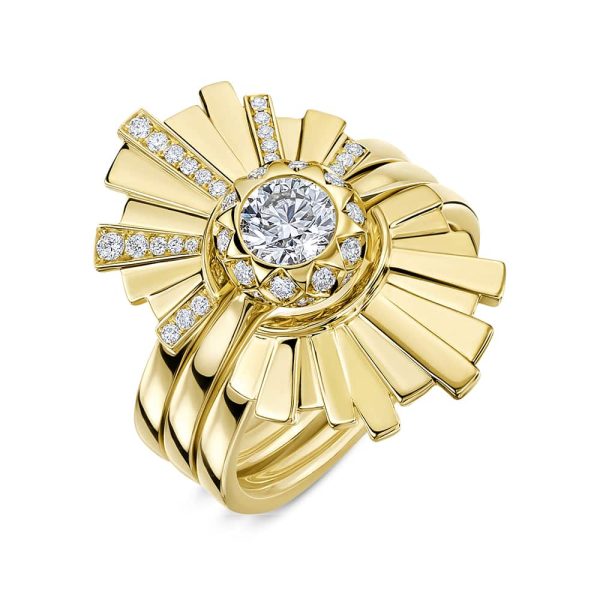
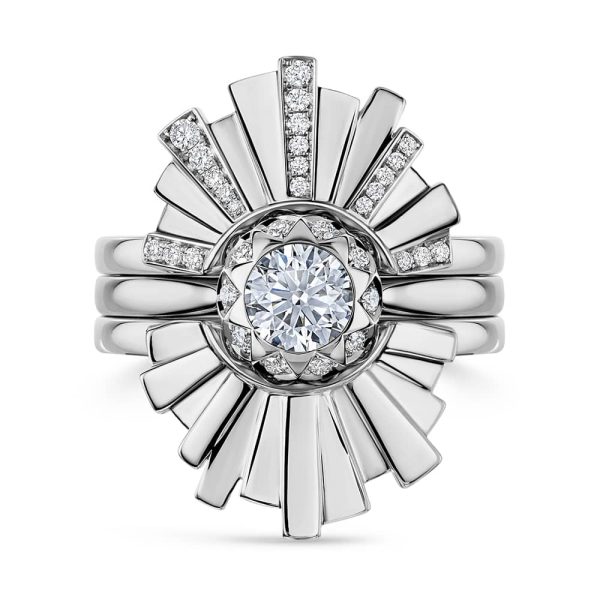
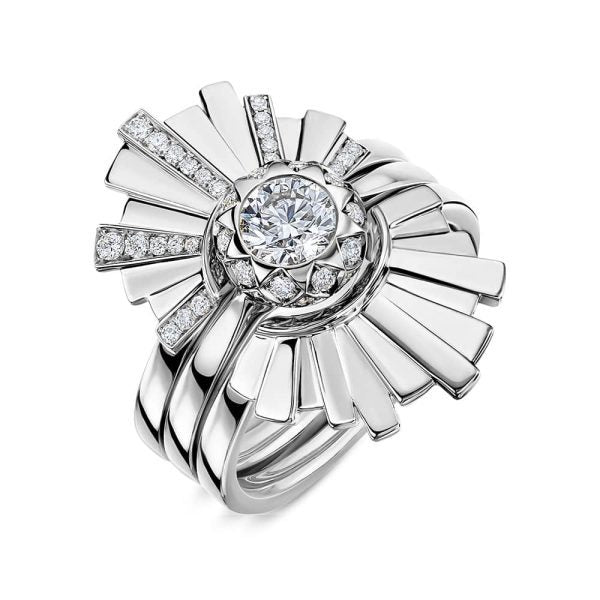
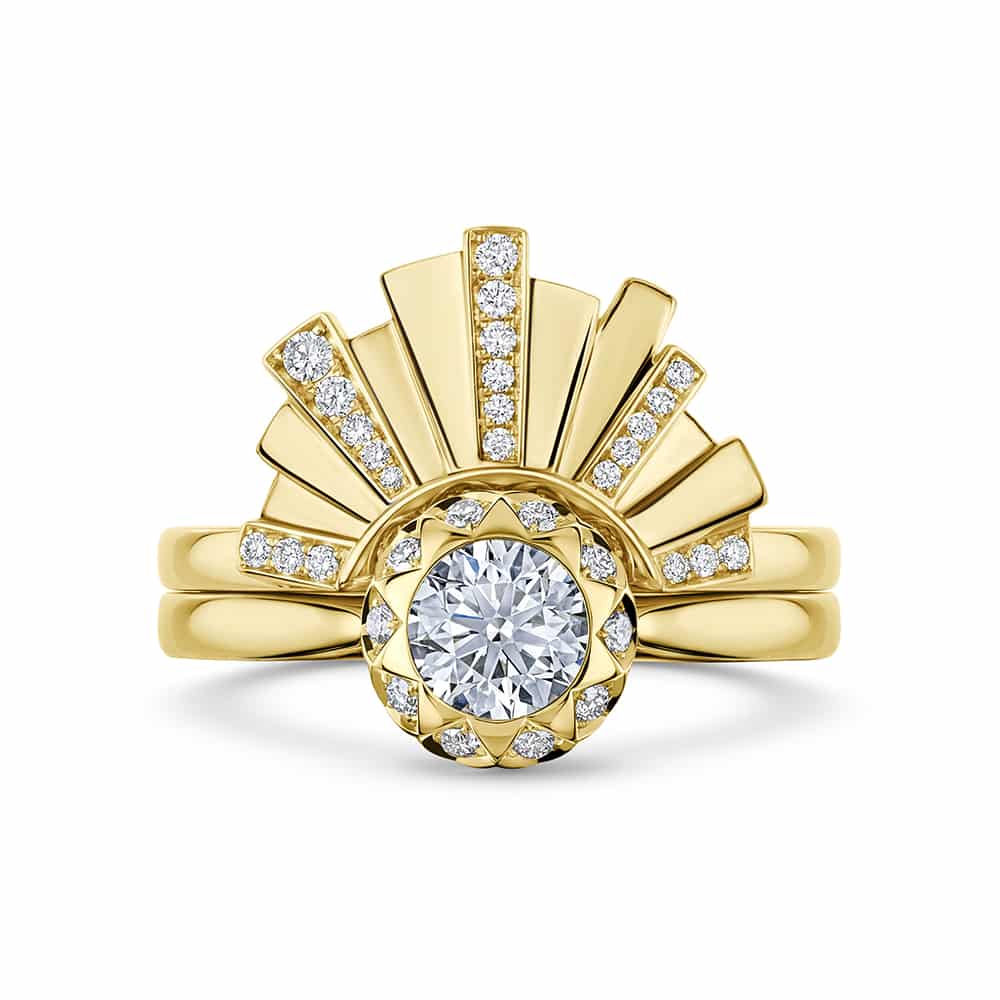
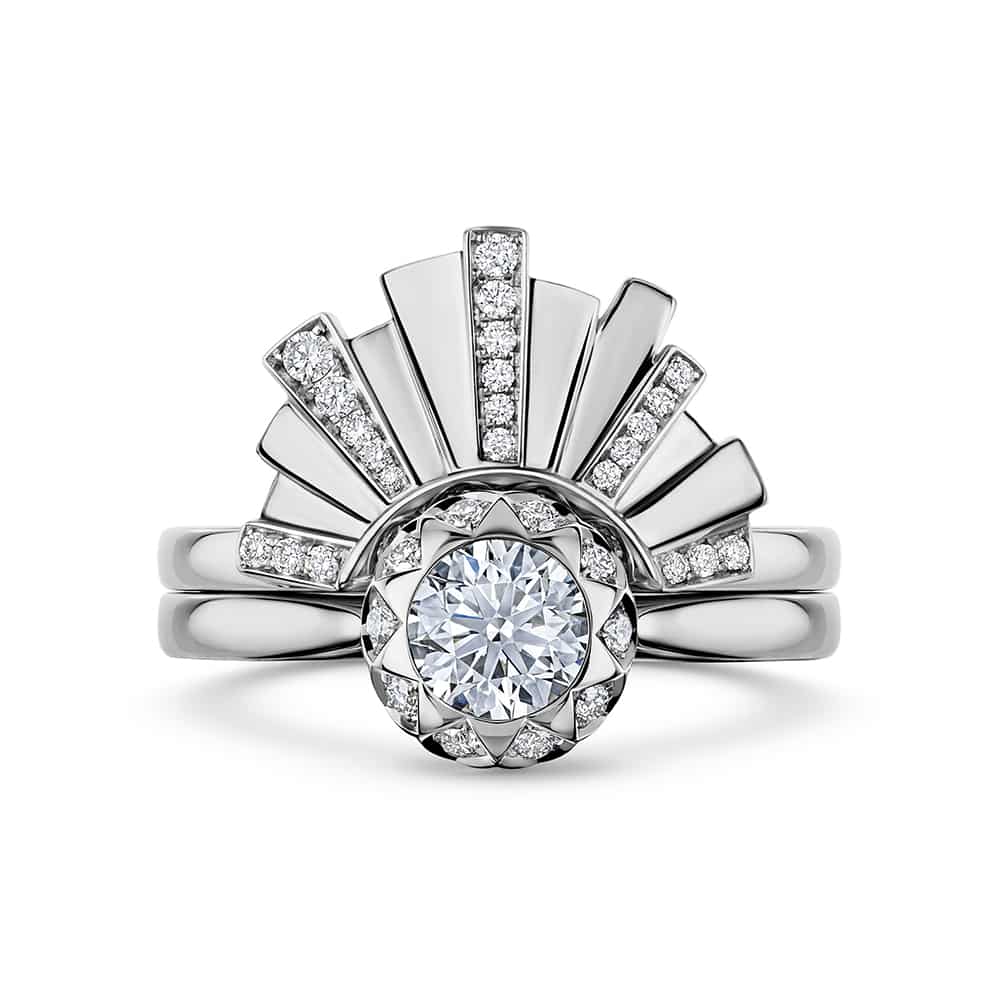
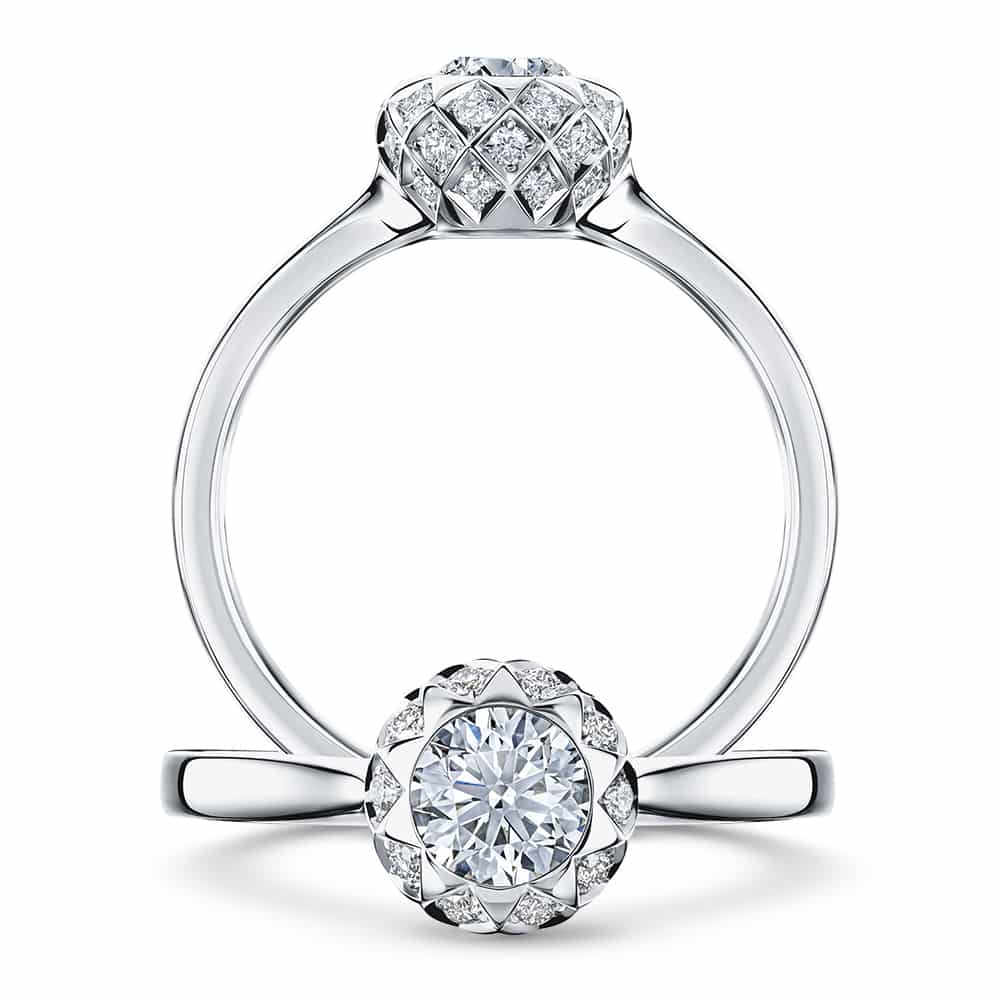
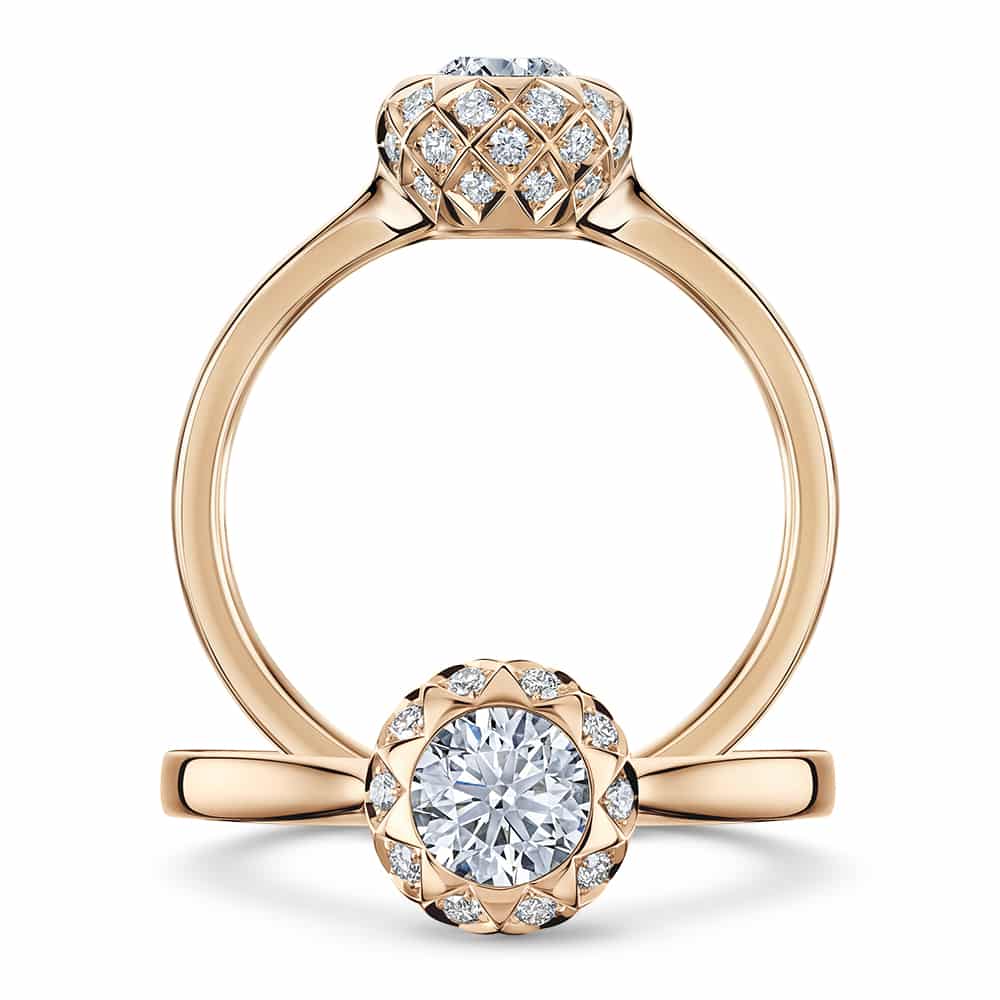
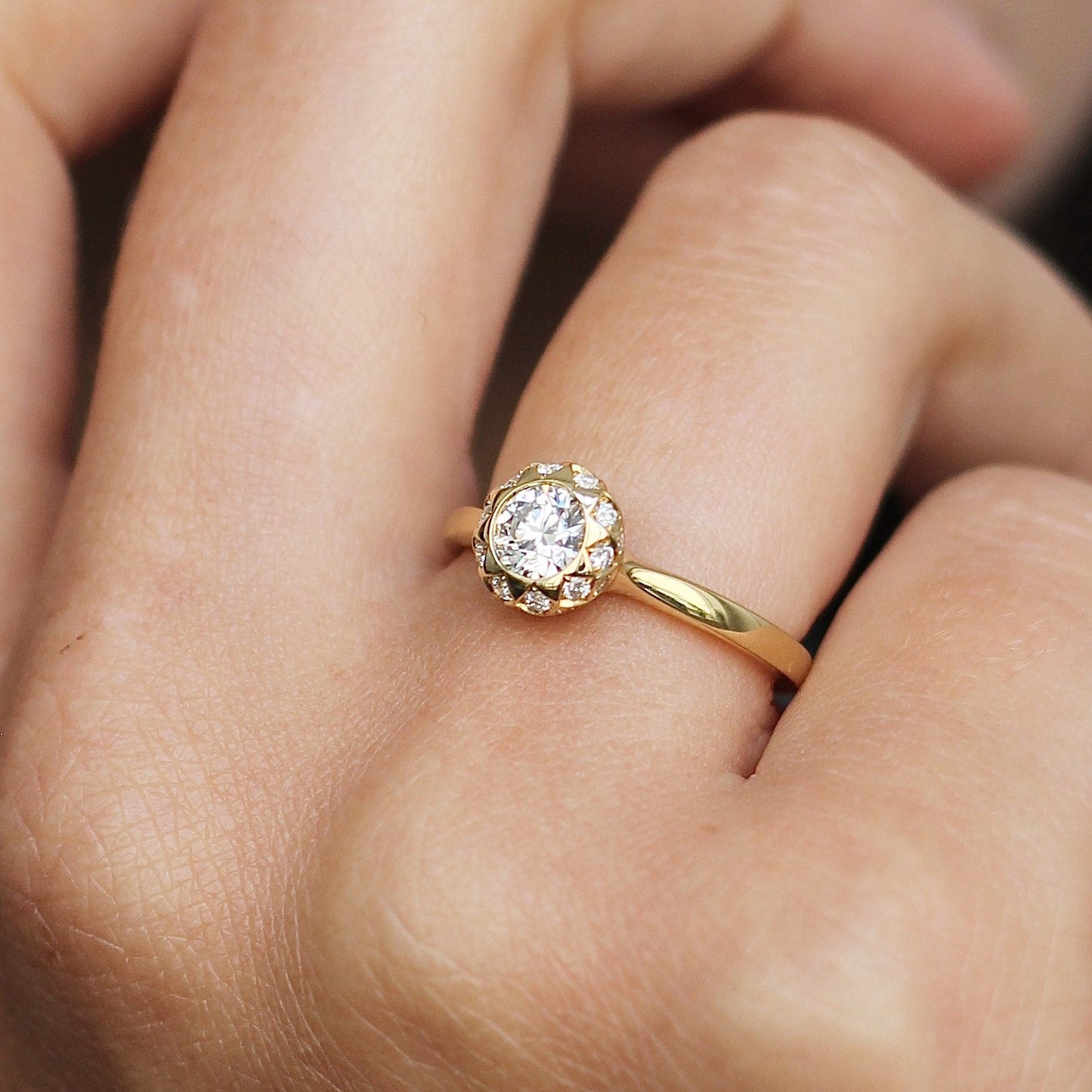
Designer Engagement rings - the Asteria Solitaire is a celebration of light inspired by the warmth and beauty of the sun. From the highly polished sunburst radiating from the center stone to the elegantly demure band, each element of this ring reflects light to create a complex play of sparkle. Yet more brilliance comes courtesy of the innovative setting, with its arresting profile of micro-set diamonds and accentuated curves. In our experience, unusual engagement rings like the Asteria are the ones that are most highly sought after.
Pictured with a 0.45ct centre
SPECIFICATION:
Handcrafted in your choice of 18ct gold or platinum, the Asteria Solitaire has been finished to our exacting standards. At its center is a 0.45ct or 0.50ct round-brilliant diamond and using our innovative, signature setting, 0.23cts gemstones have been micro-set into the surrounding precious metal, creating a luminous halo.
COLLECTION OPTIONS:
The Asteria Solitaire is available in 18ct rose gold, 18ct yellow gold, or platinum. Gemstone options include white diamonds; blue sapphires; tsavorites; a combination of rubies and pink sapphires. Bespoke commissions are available including larger center stones - please contact us to enquire.
DESIGNER ENGAGEMENT RINGS - WHY THE ASTERIA?:
Asteria is the Goddess of falling stars and many things astrological. Like the Godess, this ring is like no other. Strong, unique, powerful but yet still has a beguiling feminine charm. The inspired way in which the smaller diamonds are set within lozenges at the side of the setting is truly a site to behold and sets this unusual engagement ring apart. The precious metallic triangles around the center stone resemble the images of the sun especially when drawn by children.
FAQ
Design & Craftsmanship
Questions exploring the inspiration, proportions, craftsmanship and sculptural details behind the product.
What makes Asteria different from most halo engagement rings? +
What inspired the design of Asteria? +
Why does Asteria create such a distinctive play of light? +
What is the hero detail of the Asteria ring? +
Why is the lattice setting so unusual? +
Why did Andrew spend so much time designing the side of the ring? +
What do the triangular details around the centre stone represent? +
Is Asteria difficult to make? +
Is Asteria a sculptural design? +
Ordering & Practical Details
Information about metals, diamonds, resizing, timings and viewing appointments.